In an era defined by endless headlines and nonstop updates, finding clarity in the cacophony of information feels more vital than ever. By 2026, individuals face an average of thirteen hours daily on media, and the challenge of sifting through headlines can be overwhelming.
The Rise of Media Overload
The average American now spends nearly 13 hours and 40 minutes per day consuming media, driven largely by mobile devices, streaming platforms, and smart TVs. Since the COVID-19 pandemic, digital channels have become the primary gateway to news, entertainment, and social connection.
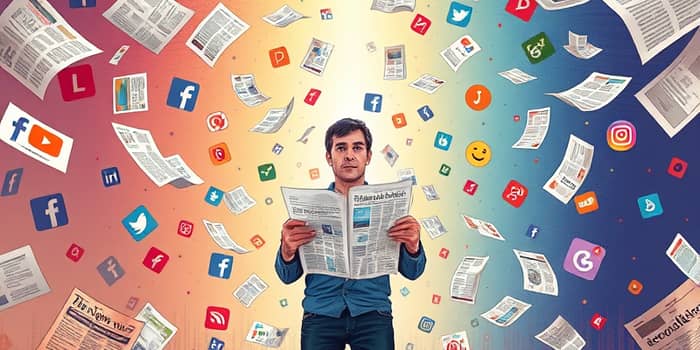
For many, the flood of articles, videos, and social posts creates more confusion than clarity. A recent survey found that 52% of people feel completely worn out by constant updates, while nearly half believe most news is irrelevant.
As one man in his forties observed, “It’s good to be informed, but too much information is just like an overload.” This sentiment underscores the need for deliberate consumption habits and a strategic approach to news intake.
Media Trust Dynamics in 2026
Trust in information sources has never been more fragmented. While local TV news retains its position as the most trusted medium—especially among those under 65—trust in social media and broadcast network news continues to decline.
Midterm voters demonstrate distinctive patterns: 66% of voting-age adults planning to vote rely on broadcast network news, national newspapers, and digital-only outlets. Non-voters, by contrast, turn to regional newspapers and local broadcasts. Individuals uncertain about voting lean toward local TV and cable news.
Despite advances in AI-generated reporting, only 12% of readers feel comfortable with automated news. An overwhelming 90% demand clear disclosure whenever AI contributes to a story, reinforcing the enduring value of human journalists.
Meanwhile, journalists have evolved into personal brands. By 2025, Substack, podcasts, and newsletters boasted five million paid subscriptions—half the scale of a major digital newspaper. Audiences now place loyalty in journals led by trusted personalities rather than in faceless outlets.
Understanding News Fatigue
News fatigue is real: 67% of those feeling overwhelmed have stopped following a source, and 60% have reduced overall consumption. Political news dominates attention, with 41% of likely voters paying more attention to politics than to lifestyle or entertainment topics.
Yet 65% of the public limit their intake of political and governmental news, and nearly half pull back on coverage of international conflicts, the economy, and climate change. This selective disengagement highlights the tension between a desire to stay informed and a need to preserve mental well-being.
Interestingly, half of all consumers report actively seeking news, down from 60% in 2019. Meanwhile, 49% tend to stumble upon updates, and 47% maintain awareness without dedicated effort. Opinions and humorous takes often reach audiences by chance, while in-depth reporting requires deliberate searches.
The Benefits and Value of Staying Informed
Despite fatigue, news remains essential. A significant majority—91%—feel informed by current events, and 86% credit news consumption with sparking discussions among friends and family. In democratic societies, 78% believe news guides their voting decisions.
Strategies for Distinguishing Signal from Noise
Developing a clear strategy is crucial for avoiding misinformation and reducing overwhelm. Consider prioritizing accuracy over volume, and cultivate habits that foster critical engagement.
- Verify facts through multiple outlets and expert analysis.
- Balance viewpoints by reading sources across the political spectrum.
- Schedule regular but limited news check-ins rather than constant monitoring.
- Unsubscribe from sources that consistently add to confusion or anxiety.
Data shows 55% of readers consider avoiding inaccurate information extremely important, while 25% rely on cross-referencing sources. Only 14% maintain a strict daily news routine, pointing to the need for more structured habits.
Embracing Healthy News Habits
Healthy news consumption goes beyond mere reduction. It involves mindful curation and deliberate choices. By building a personalized news diet, you can stay informed without succumbing to overload.
Begin by identifying your core information needs: politics, local events, or specialized topics such as finance and technology. Subscribe to reputable outlets or individual journalists who deliver consistent, fact-based coverage.
Set boundaries on notifications. Consider a single morning and evening session to review headlines, then disconnect during work or relaxation to preserve focus. Use tools like RSS readers or newsletter digests to consolidate updates into a manageable format.
Adopt a reflective approach: after each session, ask yourself whether the information you consumed was truly necessary for your understanding or simply filler. Over time, this practice hones your ability to distinguish between essential developments and background noise.
Emerging Platforms and Trends
Platforms continue to evolve. YouTube, with 2.7 billion monthly users, positions itself as the new television. Short-form videos drive discovery, while long-form content offers depth and trust. TikTok and other short-video apps also gain traction for concise news bites.
- Seek out creators who provide context and analysis rather than quick takes.
- Follow newsletter writers who share deep dives and exclusive insights.
- Engage with community-driven platforms where experts and laypeople interact.
Amid AI fatigue, audiences still crave authentic human perspectives and experiences. This trend underscores the importance of producers who combine digital reach with journalistic integrity.
Conclusion: Cultivating a Discerned Mindset
In 2026, navigating the media landscape demands both caution and curiosity. By applying intentional strategies—diversifying sources, limiting intake, and prioritizing accuracy—you can separate signal from noise and emerge with a clearer, more informed perspective.
As you refine your news habits, remember that staying engaged doesn’t require constant exposure. With cultivating a critically discerning mindset, you can transform overwhelming information streams into actionable insights and maintain a healthy balance in an ever-connected world.
References
- https://civicscience.com/media-consumption-outlook-for-the-year-ahead-local-news-gains-trust-and-political-attention-rises-as-midterms-approach/
- https://www.statista.com/statistics/278544/time-spent-with-media-in-the-us/
- https://www.pewresearch.org/journalism/2026/02/11/americans-complicated-relationship-with-news/
- https://fullyvested.com/insights/2026-media-trends/
- https://www.pewresearch.org/journalism/2026/02/11/why-americans-think-news-habits-are-changing-in-their-own-words/
- https://apnorc.org/projects/most-adults-feel-the-need-to-limit-political-news-consumption-due-to-fatigue-and-information-overload/
- http://reutersinstitute.politics.ox.ac.uk/journalism-media-and-technology-trends-and-predictions-2026
- https://www.gwi.com/industries/media