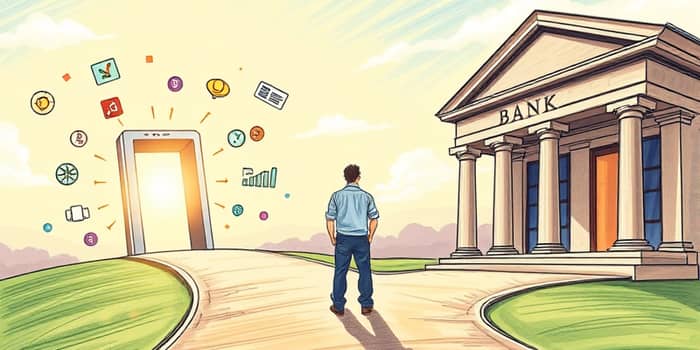
In today’s competitive environment, finding the right source of financing is a pivotal decision for small businesses and startups. Your choice will shape growth trajectories, impact cash flow management, and influence long-term sustainability.
With digital transformation redefining financial services, entrepreneurs must weigh speed, cost, flexibility, and risk when comparing fintech lenders and traditional banks for loans.
Understanding the Lending Landscape
Traditional banks have long dominated the lending sector, offering structured products backed by regulatory oversight and rich customer relationships. By contrast, fintech lenders emerged as digital-first innovators, leveraging technology to streamline processes and extend credit to underserved markets.
Each option caters to different needs: established firms with pristine credit profiles often benefit from the predictability and lower rates of banks, while agile startups and seasonal enterprises may value the rapid approvals in under 24 hours that fintechs provide.
Key factors to assess include your business stage, urgency of funds, credit profile, desired loan size, and tolerance for variable repayment schedules.
Pros and Cons of Fintech Lenders
Fintech lenders excel in delivering user-friendly digital application journeys and flexible underwriting models that focus on revenue and cash flow.
- Speed and Convenience: Minimal paperwork and approvals in hours rather than weeks, keeping critical projects on schedule.
- Credit Flexibility: Evaluations based on performance metrics and real-time data, ideal for businesses with limited credit history.
- Diverse Product Offerings: Options such as merchant cash advances, revenue-based financing, and short-term lines of credit.
- High Accessibility: Available to startups, seasonal operators, and companies rejected by traditional institutions.
Despite these advantages, fintech loans come with drawbacks that can strain cash flow.
- Higher Interest Rates: Risk-based pricing often leads to premium rates that increase borrowing costs.
- Shorter Terms: Frequent repayment schedules may pressure weekly or daily cash flow.
- Variable Transparency: Some providers embed fees or complex fee structures that catch borrowers off guard.
Benefits and Drawbacks of Traditional Banks
Established banks remain the go-to for financing large-scale investments, real estate acquisitions, and long-term expansion plans.
- Lower Interest Rates: Economies of scale and regulated cost structures translate into more affordable debt.
- Long-Term Stability: Fixed terms and predictable payment schedules support reliable budgeting.
- Substantial Loan Sizes: Access to millions in funding for major capital expenditures.
However, the institutional rigor of banks can introduce friction in fast-paced ventures.
- Rigid Eligibility Criteria: High credit scores, extensive collateral, and audited financials are mandatory.
- Lengthy Approval Process: Manual reviews, in-person meetings, and documentation demands extend timelines to weeks or months.
- Limited Flexibility: Structured repayments and covenants may not adapt to seasonal cash flow fluctuations.
Emerging Trends Shaping the Future of Lending
The lending sector is being transformed by breakthrough technologies and evolving consumer preferences. Businesses that understand these shifts will be well-positioned to secure financing on optimal terms.
AI-Powered Underwriting: Machine learning algorithms analyze alternative data—such as cash flow patterns and social sentiment—to cut disbursement times by up to 50% and extend credit to underserved segments.
Embedded Finance and Open Banking: APIs allow instant loans at the point of sale or in e-commerce checkouts. Industry analysts predict that by 2026, embedded channels will account for 60% of all loan originations.
Neo-banks and Digital Banks: Hybrid models combine fintech agility with the regulatory umbrella of banks. These institutions operate at four times the speed and up to 60% lower cost than legacy banks, though they typically offer more modest credit lines than large commercial lenders.
To illustrate key metrics driving these trends, consider the table below.
Making the Right Choice for Your Business
When deciding between fintech and traditional banks, start by mapping your financing needs:
• Purpose: Is the loan for day-to-day operations and inventory, or for a multi-year expansion and real estate purchase?
• Amount: Do you need a small line of credit to manage cash flow, or a multi-million-dollar term loan?
• Timeline: Must funds be available in days, or can you wait weeks for thorough review?
Balance cost against speed and flexibility to arrive at a funding solution aligned with your risk tolerance and growth objectives.
For businesses in early stages or those facing urgent opportunities, fintech lenders offer unmatched agility and access. Established enterprises with strong credit profiles will often secure more favorable long-term rates through banks.
Finally, keep an eye on hybrid models—neo-banks and traditional institutions adopting embedded finance—to capture the best of both worlds: the trust and scale of banks combined with the innovation speed of fintech.
By carefully evaluating these factors and monitoring emerging trends, you can choose the loan that propels your business forward, ensuring sustainable growth and financial resilience.
References
- https://www.greenboxcapital.ca/resources/online-lending-vs-traditional-banks-which-one-is-right-for-you/
- https://www.biz2x.com/india/loan-origination-system/future-of-lending-2026-key-trends-banks-must-watch/
- https://www.bleap.finance/blog/neo-banks-vs-traditional-banks-vs-fintechs
- https://www.meridianlink.com/blog/2026-banking-and-lending-trends/
- https://wpeasypay.com/blog/traditional-vs-fintech-payments/
- https://m2pfintech.com/blog/10-banking-and-fintech-trends-that-will-redefine-2026-and-beyond/
- https://xcalibretraining.com/blog/fintech-vs-traditional-banking-benefits-challenges-and-what-the-future-holds/